Cost of Pool Sanitization
Pool sanitization services typically involve the removal of contaminants and the maintenance of water quality through various methods such as chemical treatments, filtration system upgrades, or equipment repairs. The overall cost can vary depending on the size of the pool, the type of sanitization method chosen, and the condition of existing systems. It is important to consider that final pricing may differ based on the scope of work, materials required, labor involved, and specific site conditions.
When estimating expenses for pool sanitization, it is helpful to understand that prices are influenced by factors including the complexity of the project, accessibility of the pool area, and any additional repairs needed. Comparing options and obtaining multiple quotes can provide a clearer picture of potential costs, as well as help identify solutions that best fit the specific needs and budget constraints of the project. Final costs are unique to each situation and should be discussed with service providers directly.
Price Range Details
$1,200 - $2,800 (smaller scope)
$3,500 - $7,500 (full system overhaul)
| Project Type | Typical Range |
|---|---|
| Basic Sanitization | $1,200 - $2,000 |
| Filter System Replacement | $1,500 - $3,000 |
| Chemical Treatment | $800 - $1,500 |
| Complete System Upgrade | $4,000 - $7,500 |
| Leak Repair & Sealing | $2,000 - $4,500 |
| Pool Surface Cleaning | $1,000 - $2,500 |
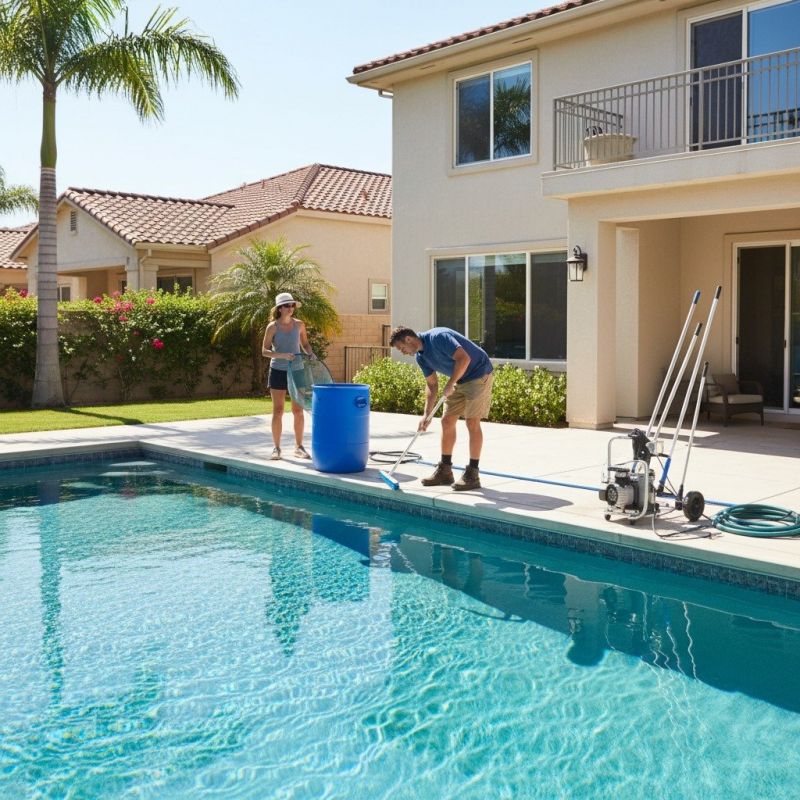
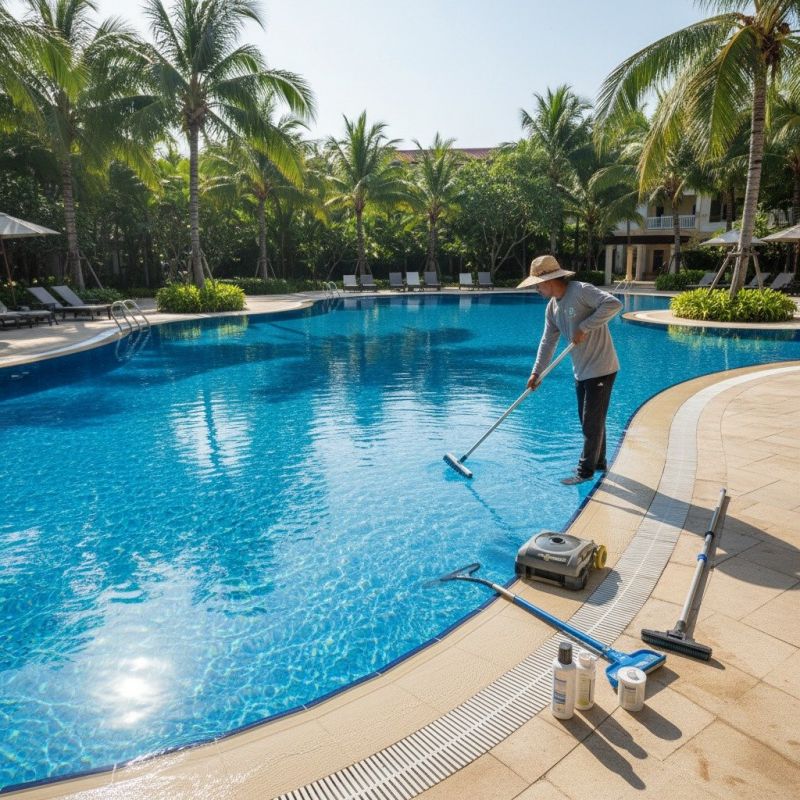
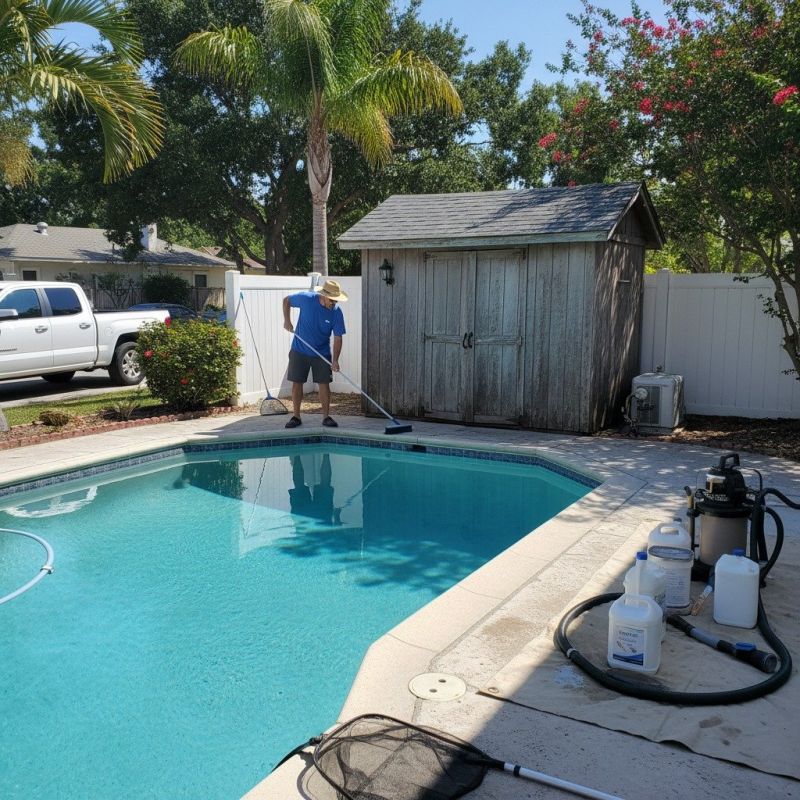
Factors Affecting Cost
Pool sanitization is an essential process to maintain clean and safe water in swimming pools. The scope of work can vary based on the materials used, pool size, and specific requirements. Understanding typical project considerations can help in planning and comparing options effectively.
- Materials: Use of chlorine, bromine, or alternative sanitizing agents depending on pool type and preferences.
- Size and Scope: Ranges from small residential pools to large commercial facilities, impacting the complexity and duration of the work.
- Labor Complexity: Varies based on pool design, existing infrastructure, and desired level of sanitization.
- Permitting: Generally requires compliance with local regulations, which may involve obtaining permits for certain treatments or modifications.
- Extras: Additional services such as equipment upgrades, water testing, or chemical balancing adjustments may be included.
Pool Size and Complexity
| Scope/Size | Typical Range |
|---|---|
| Small residential pools | 1-2 ppm free chlorine; pH 7.2-7.8 |
| Large residential pools | 1-3 ppm free chlorine; pH 7.2-7.8 |
| Public pools | 1-3 ppm free chlorine; pH 7.2-7.8 |
| Spa pools | 3-5 ppm free chlorine; pH 7.2-7.8 |
| Wading pools | 1-3 ppm free chlorine; pH 7.2-7.8 |
Proper chlorination and pH levels are essential for maintaining clean and safe pool water.